
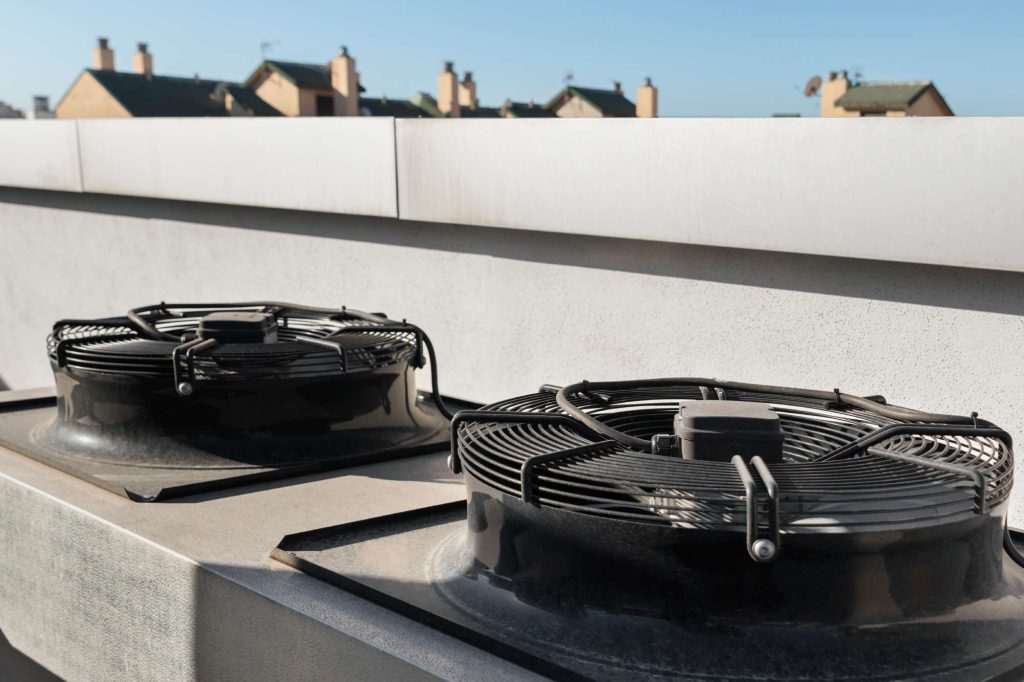
Chillers play an essential role in maintaining reliable cooling across commercial buildings, industrial facilities, hotels, hospitals, manufacturing units, and large office spaces. These systems help regulate temperatures for equipment, processes, and indoor environments where consistent cooling is necessary. However, like any mechanical system, a chiller requires regular maintenance to operate efficiently and deliver dependable performance over time.
Neglecting maintenance can lead to higher electricity consumption, unexpected breakdowns, reduced cooling capacity, and expensive repairs. A proactive maintenance routine helps identify potential issues before they become major problems. Whether your facility operates an air-cooled or water-cooled chiller, following the right maintenance practices can extend equipment life and improve operational reliability.
Why Regular Chiller Maintenance Matters
A chiller operates through several interconnected components, including compressors, heat exchangers, pumps, controls, and refrigerant circuits. If one component does not function correctly, the entire system may experience reduced performance.
Dust accumulation, restricted airflow, dirty heat-transfer surfaces, incorrect water flow, and neglected electrical connections can all affect efficiency. Regular inspection helps keep these components in suitable operating condition and reduces the risk of unexpected shutdowns.
Preventive maintenance can also make operating expenses more predictable. Instead of responding only when equipment fails, facility managers can plan inspections, servicing, and component replacements according to operating conditions and manufacturer recommendations.
7 Essential Chiller Maintenance Tips
Regular chiller maintenance is essential for maintaining cooling efficiency, reducing energy consumption, and preventing unexpected system failures. The following chiller maintenance tips can help improve equipment performance, extend component life, and keep your cooling system operating reliably throughout the year.
1. Clean Heat Exchangers and Condenser Surfaces
Heat exchangers transfer heat between the refrigerant and the relevant air or water circuit. When their surfaces become dirty or develop scale, heat transfer can become less effective. This may force the chiller to work harder to maintain the required cooling output.
For air-cooled chillers, condenser coils should be inspected for dust, leaves, and other debris that restrict airflow. Water-cooled systems may require periodic inspection and cleaning of condenser tubes to address scale or deposits.
Cleaning methods should always follow the manufacturer’s recommendations. Professional servicing is advisable when chemical cleaning, tube cleaning, or more extensive maintenance is required.
2. Inspect Refrigerant Levels and Check for Leaks
Refrigerant is essential to the cooling process. A leak can reduce cooling capacity, affect system efficiency, and potentially damage important components if the problem remains unresolved.
Maintenance technicians should check operating pressures, temperatures, and other relevant readings to identify signs of refrigerant-related problems. Simply adding refrigerant without investigating the underlying cause is not an appropriate long-term solution.
Refrigerant handling and leak repairs should be performed by qualified professionals using suitable equipment and procedures. The correct refrigerant type and charge must follow the manufacturer’s specifications.
3. Maintain Proper Water Quality and Flow
Water-cooled chillers depend on suitable water circulation and heat transfer. Poor water quality can contribute to scale, corrosion, biological growth, and deposits that reduce system performance.
Water treatment should be selected according to the system design, water characteristics, and manufacturer’s recommendations. Pumps, strainers, valves, and piping should also be inspected to identify blockages, leakage, or unusual flow conditions.
Water quality is especially important in facilities with long operating hours. A properly managed water treatment programme can help protect heat exchangers and related equipment from avoidable deterioration.
4. Check Electrical Connections and Control Systems
Electrical faults can affect chiller reliability and create operational risks. Loose connections, worn contactors, damaged wiring, and incorrect control settings may lead to alarms, intermittent operation, or unexpected shutdowns.
Qualified technicians should inspect electrical components, protection devices, sensors, and control panels according to the manufacturer’s maintenance schedule. Operating data and alarm histories can also help identify recurring issues before they cause equipment failure.
For commercial facilities planning Commercial Chiller Installation, electrical capacity, control integration, and access for future servicing should be considered from the beginning. Proper installation and commissioning establish a sound foundation for long-term maintenance.
5. Monitor Operating Performance Regularly
Keeping records of chiller performance helps facility managers recognise changes that may indicate a developing problem. Important readings can include entering and leaving water temperatures, operating pressures, compressor current, flow rates, and energy consumption where these measurements are available.
A sudden change in performance should be investigated rather than ignored. For example, rising energy consumption combined with reduced cooling output may indicate dirty heat-transfer surfaces, incorrect water flow, control problems, or another system fault.
Comparing current readings with reliable historical operating data makes it easier to identify unusual patterns. Maintenance records should include service dates, observations, repairs, and any parts replaced.
6. Inspect Pumps, Filters, and Water Circulation Components
Chiller performance depends on adequate circulation through the relevant water circuits. Restricted filters, damaged pump components, leaking valves, and blocked strainers can reduce flow and affect heat transfer.
Inspect these components at intervals appropriate to the equipment and site conditions. Unusual vibration, noise, leakage, or changes in pressure should be investigated by a qualified technician.
Routine checks are particularly important in facilities where cooling interruptions could affect production, storage conditions, or business operations. Identifying circulation problems early can help avoid unnecessary strain on the chiller.
7. Schedule Professional Preventive Maintenance
Routine checks by facility staff are useful, but they cannot replace a structured professional maintenance programme. Qualified technicians can assess internal components, test system controls, evaluate operating performance, and identify issues that may not be visible during daily inspections.
Maintenance frequency should depend on the manufacturer’s guidance, equipment age, operating hours, environmental conditions, and the criticality of the cooling application. Facilities with demanding operating schedules may require more frequent inspections.
When evaluating Daikin Chiller Dealers in Kolkata, consider their technical expertise, service capabilities, spare-parts availability, and familiarity with the equipment installed at your facility. Reliable after-sales support can make maintenance planning easier and help reduce prolonged downtime when repairs are needed.
Common Chiller Maintenance Mistakes to Avoid
Some maintenance problems arise because small warning signs are overlooked or servicing is delayed until a breakdown occurs. Ignoring repeated alarms, unusual noises, temperature fluctuations, or unexplained increases in electricity consumption can allow minor faults to become more expensive repairs.
Another mistake is applying the same maintenance schedule to every chiller. Air-cooled and water-cooled systems have different requirements, and equipment operating in dusty, humid, or demanding industrial environments may need additional attention.
Maintenance should also be documented properly. Without service records, it becomes harder to track recurring faults, monitor efficiency changes, and plan component replacements. Following manufacturer guidance and using qualified technicians helps ensure that maintenance is appropriate for the specific system.
Conclusion
Extending a chiller’s service life requires consistent attention to cleanliness, refrigerant integrity, water quality, electrical components, operating performance, and preventive servicing. These practices help maintain efficient heat transfer, identify developing faults, and reduce the risk of unexpected breakdowns.
A well-planned maintenance programme should combine routine monitoring with professional inspections and accurate service records. By addressing small issues early and following the manufacturer’s recommendations, facility managers can protect their cooling equipment, manage operating costs, and support reliable performance over the long term.